





Speak to a Coatings Expert Today
Need help specifying a coating system or placing an order? Get a free, no-obligation recommendation for your project.
Industrial Coatings for Offshore Power | New Guard Coatings
Offshore power infrastructure operates in some of the most demanding environments for protective coatings. Equipment and steel structures can face constant exposure to salt spray, high humidity, moisture, wind, UV radiation and changing temperatures.
A correctly specified industrial coating system can help protect suitable steel and metal surfaces against corrosion and environmental deterioration while supporting long-term asset maintenance.
New Guard Coatings supplies high-performance protective coating solutions for offshore power infrastructure across the UK.
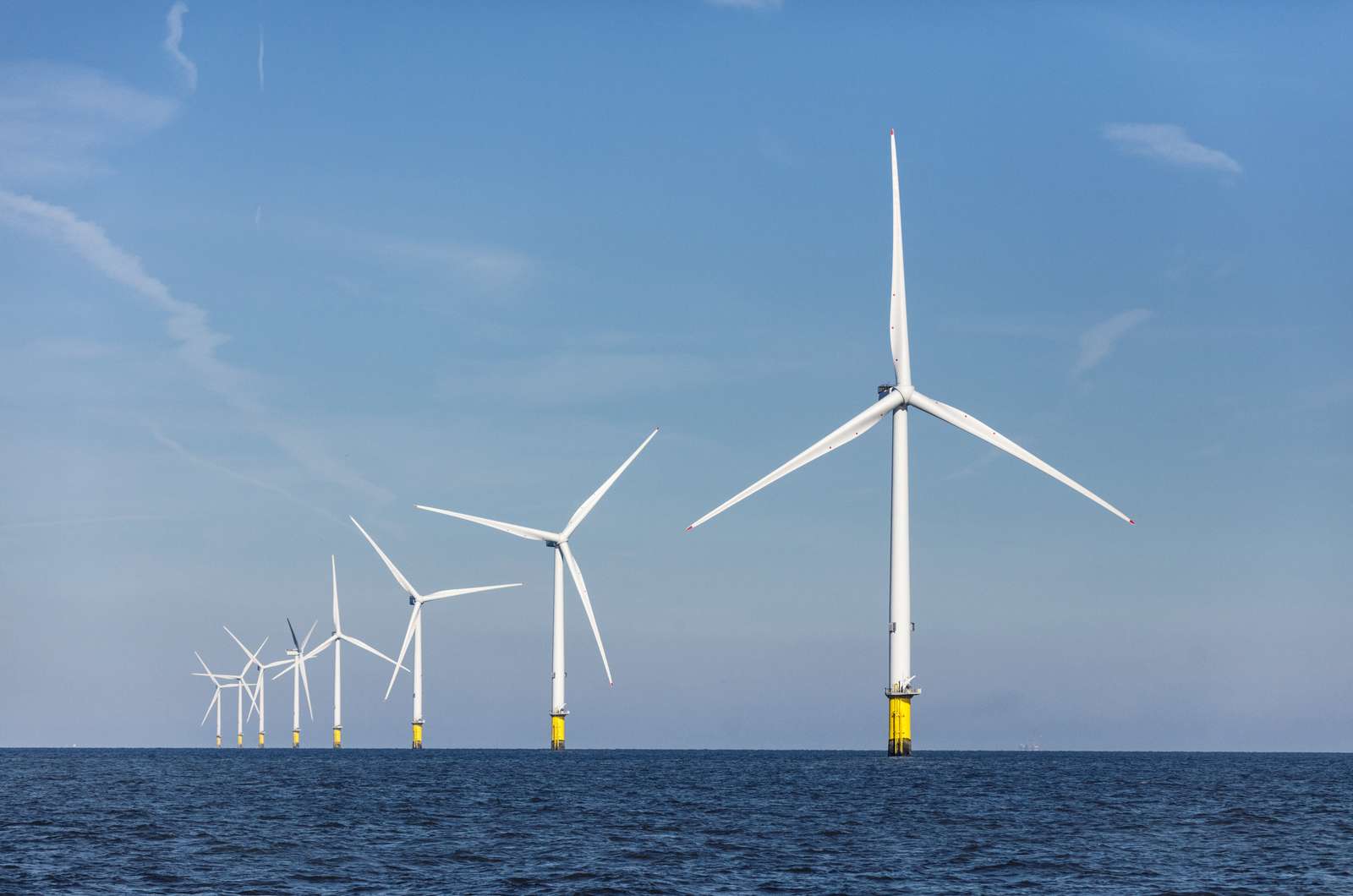
Protective Coatings for Offshore Power
Offshore power installations contain a wide range of steelwork, equipment and infrastructure that may require long-term corrosion protection.
Potential applications include:
- Offshore substations
- Steel structures
- Support structures
- Platforms
- Walkways
- Handrails
- Ladders
- Electrical enclosures
- Transformers
- Generators
- Valves
- Pipework
- Equipment housings
- Fabricated steelwork
The correct coating system will depend on the substrate, environmental exposure, operating conditions and required durability.
Why Offshore Power Infrastructure Requires Protective Coatings
The offshore environment is particularly challenging for exposed steel.
Salt-laden air, moisture and high humidity can accelerate corrosion, while wind and mechanical activity can contribute to coating deterioration.
Protective coatings can help:
- Reduce corrosion
- Protect exposed steel
- Improve weather resistance
- Provide a durable finish
- Reduce maintenance requirements
- Extend coating maintenance intervals
- Protect critical infrastructure
For offshore assets, selecting a coating system appropriate for the environment is particularly important.
Corrosion Protection for Offshore Steel
Corrosion protection should be considered from the beginning of the coating specification.
Offshore steelwork may be exposed to:
- Salt spray
- High humidity
- Rain
- Condensation
- UV radiation
- Wind
- Atmospheric pollutants
- Mechanical wear
The coating system should be selected according to the expected environmental exposure and required durability.
A complete system may consist of surface preparation, primer, intermediate coating and topcoat.
Surface Preparation for Offshore Coatings
Correct surface preparation is essential for achieving good adhesion and long-term coating performance.
Before coating offshore steelwork, assess the substrate for:
- Rust
- Mill scale
- Existing coatings
- Loose paint
- Oil
- Grease
- Dirt
- Dust
- Salt contamination
- Moisture
Depending on the substrate and coating specification, preparation may involve:
- Cleaning
- Degreasing
- Mechanical preparation
- Power-tool cleaning
- Abrasive blasting
Salt contamination is particularly important in offshore environments and should be appropriately addressed before coating.
Our surface preparation guide provides further information on preparing steel surfaces before industrial coating.
Primers for Offshore Power Infrastructure
An appropriate industrial primer can form the foundation of an offshore corrosion protection system.
Primer selection should take into account:
- Steel substrate
- Preparation standard
- Environmental exposure
- Corrosivity
- Intended topcoat
- Required durability
The primer and subsequent coats should be compatible and specified as part of a complete coating system.
Offshore Electrical Equipment Coatings
Offshore power installations can contain extensive electrical equipment and metal enclosures.
Potential coating applications include:
- Electrical enclosures
- Equipment housings
- Generator housings
- Transformer housings
- Control cabinets
- Steel frames
- Support structures
Coating selection should consider the offshore environment and the specific substrate.
Where electrical equipment is involved, coating work should also comply with the relevant equipment manufacturer's requirements.
Offshore Transformer Coatings
Transformers are an important part of electrical power infrastructure and can contain substantial areas of exposed steel.
Protective coatings can be used on suitable:
- Transformer housings
- Tanks
- Frames
- Supports
- Associated steelwork
Offshore transformer coating systems should take into account salt spray, humidity, moisture and the required durability of the installation.
Our industrial coatings for transformers page provides further information on protective coating considerations for transformer applications.
Offshore Valve Coatings
Valves can form part of offshore power and energy infrastructure and may be exposed to aggressive environmental conditions.
Suitable coating systems can help protect compatible valve surfaces against:
- Corrosion
- Moisture
- Salt spray
- Weathering
- Mechanical wear
Where chemical or elevated-temperature exposure is also expected, the coating specification should take these conditions into account.
Weather Resistant Offshore Coatings
Offshore infrastructure is exposed to continual weathering.
A suitable external coating system may need to withstand:
- Salt spray
- Rain
- High humidity
- UV radiation
- Wind
- Temperature fluctuations
- Atmospheric contamination
The coating specification should reflect the actual environmental conditions and required service life.
Marine & Salt Spray Exposure
Salt spray is one of the key considerations when protecting offshore steel.
Salt can remain on exposed surfaces and contribute to corrosion where protective coatings are damaged or deteriorated.
Offshore coating systems should therefore be selected with the expected marine exposure in mind.
Particular attention should be given to:
- Welds
- Edges
- Joints
- Fixings
- Supports
- Bases
- Areas where moisture can collect
ISO 12944 & Offshore Power
ISO 12944 provides a framework for selecting protective paint systems for steel structures according to environmental corrosivity and required durability.
Offshore environments can present some of the highest levels of corrosive exposure, making environmental classification an important part of coating specification.
When an ISO 12944 coating system is required, the proposed products should be checked against the relevant technical documentation and project requirements.
The actual exposure conditions and required durability should always be established for the individual asset.
High-Performance Offshore Topcoats
The topcoat provides the final protective and decorative layer in many coating systems.
Depending on the application, an offshore topcoat may need to provide resistance to:
- UV radiation
- Moisture
- Salt spray
- Weathering
- Abrasion
- General industrial wear
The required finish, colour and gloss level can also be considered where the appearance of the infrastructure is important.
Coatings for Offshore Platforms & Walkways
Offshore facilities contain extensive secondary steelwork, including platforms, walkways, ladders and handrails.
These components can be exposed to:
- Salt
- Moisture
- Foot traffic
- Mechanical wear
- Weathering
- Corrosion
A suitable protective coating system can help maintain compatible steel components while providing the required finish.
Where slip resistance is required, the coating specification should incorporate an appropriate non-slip coating system rather than relying solely on a standard topcoat.
Abrasion Resistant Offshore Coatings
Offshore equipment can experience mechanical wear from:
- Maintenance activity
- Foot traffic
- Equipment movement
- Impact
- Handling
- General industrial activity
Where abrasion is a significant concern, the coating system should be selected according to the expected level and type of wear.
Chemical Resistant Offshore Coatings
Offshore power facilities can contain oils, fuels, cleaning products and other chemicals.
Where chemical exposure is expected, the coating should be selected according to the specific substance and conditions.
Consider:
- Chemical type
- Concentration
- Temperature
- Exposure frequency
- Contact duration
- Cleaning requirements
Chemical resistance varies between products, so the relevant technical documentation should always be checked.
Recoating Existing Offshore Infrastructure
Maintenance and refurbishment are important considerations for existing offshore assets.
Before recoating, assess the existing coating for:
- Rust
- Peeling
- Flaking
- Blistering
- Cracking
- Poor adhesion
- Exposed steel
- Mechanical damage
- Salt contamination
- Chemical deterioration
Where the existing coating is sound and compatible, suitable preparation may allow a new coating system to be applied.
Where the coating has significantly deteriorated, more extensive preparation or removal may be required.
Offshore Coating Systems
A typical protective coating system may consist of:
Surface Preparation → Primer → Intermediate Coat → Topcoat
The exact system will depend on:
- Substrate
- Existing coating
- Environmental exposure
- Corrosivity
- Chemical exposure
- Required durability
- Preparation standard
- Project specification
All coating layers should be compatible and applied according to the manufacturer's technical recommendations.
Application of Offshore Coatings
Offshore coating application requires careful consideration of environmental conditions.
Before application, check:
- Surface preparation
- Surface cleanliness
- Salt contamination
- Air temperature
- Surface temperature
- Humidity
- Dew point
- Condensation
- Application method
- Film thickness
- Recoat interval
The manufacturer's application requirements should always be followed.
Where coating work is undertaken offshore, weather conditions and access can have a significant effect on the application process.
Drying & Curing Offshore
Temperature and humidity can affect coating drying and curing.
Before application, consider:
- Air temperature
- Surface temperature
- Relative humidity
- Dew point
- Condensation
- Wind
- Rain
- Ventilation
The substrate should meet the product's specified conditions before coating begins.
Always follow the manufacturer's drying, recoating and curing requirements.
Maintenance of Offshore Coatings
Regular inspection can help identify coating deterioration before corrosion becomes more extensive.
Inspect for:
- Rust
- Peeling
- Flaking
- Blistering
- Cracking
- Mechanical damage
- Exposed steel
- Fading
- Chemical deterioration
Particular attention should be given to welds, edges, joints, supports, bases and areas exposed to repeated mechanical activity.
Common Offshore Coating Problems
Rust appearing through the coating
This can indicate corrosion beneath the coating or inadequate preparation.
Peeling or flaking
Poor adhesion can result from contamination, insufficient preparation or coating incompatibility.
Blistering
Moisture, contamination and unsuitable application conditions can contribute to blistering.
Salt contamination
Residual salt on the substrate can interfere with coating adhesion and contribute to corrosion beneath the coating.
Mechanical damage
Maintenance, impact and equipment movement can damage the protective coating and expose the underlying steel.
Choosing the Right Offshore Coating
Before specifying an offshore coating system, consider:
What is the substrate?
Determine whether the surface is carbon steel, galvanised steel, another metal or an existing coated substrate.
What environmental exposure will it experience?
Consider salt spray, humidity, moisture, UV and weathering.
What chemicals will it encounter?
Identify oils, fuels, chemicals and cleaning products that may contact the coating.
What level of durability is required?
Offshore maintenance can be challenging, making required service life an important consideration.
What preparation is possible?
The existing condition of the substrate will determine the appropriate preparation method.
What project standards apply?
Check whether ISO 12944 or other project-specific coating requirements apply.
What application conditions are available?
Temperature, humidity, dew point, wind and access can all affect coating application.
Industrial Coatings for Offshore Power & Energy
Offshore power is one of the key high-performance markets served by New Guard Coatings.
From transformers, valves and electrical equipment to platforms, support structures and fabricated steelwork, protective coating systems can help protect suitable assets against the demanding offshore environment.
The right combination of surface preparation, primer and protective topcoat can provide a durable coating system when correctly specified and applied.
Frequently Asked Questions
What is the best coating for offshore steel?
The appropriate coating depends on the substrate, environmental exposure, corrosion category, preparation requirements and required durability.
Why are coatings important offshore?
Protective coatings can help protect suitable steel and metal surfaces against salt spray, moisture, corrosion, UV exposure and general environmental deterioration.
What coating protects offshore steel from corrosion?
A suitable multi-layer protective coating system can help provide corrosion protection. The system should be selected according to the specific offshore environment.
Are ISO 12944 coatings suitable for offshore applications?
ISO 12944 provides a framework for selecting protective coating systems according to environmental corrosivity and durability. The specific system should be selected according to the project's requirements.
Can existing offshore coatings be recoated?
Potentially, provided the existing coating is suitably prepared, remains compatible and the substrate is in an appropriate condition.
Are offshore coatings resistant to salt spray?
Suitable marine and offshore coating systems can be specified to provide protection against salt spray and associated corrosion risks.
Can offshore coatings resist chemicals?
Some industrial coatings provide resistance to specific chemicals, oils and fuels. Suitability should always be confirmed against the manufacturer's technical data.
What preparation is required before coating offshore steel?
Preparation can include cleaning, degreasing, mechanical preparation or abrasive blasting depending on the substrate, existing coating and specified system.
How long does offshore coating last?
There is no universal service life. Performance depends on the coating system, substrate, preparation, application, environmental exposure and maintenance.
Protecting Offshore Power Infrastructure
Offshore power infrastructure operates in an environment where corrosion protection and coating durability are critical considerations.
From structural steel and platforms to transformers, valves and electrical equipment, the correct coating system can help protect suitable assets from salt spray, moisture, weathering and general industrial exposure.
New Guard Coatings supplies high-performance industrial coating solutions for offshore power, oil & gas, wind energy and other demanding environments across the UK.


