





Industrial Coatings for Steel Fabrication
Protective Industrial Coatings for Fabricated Steel
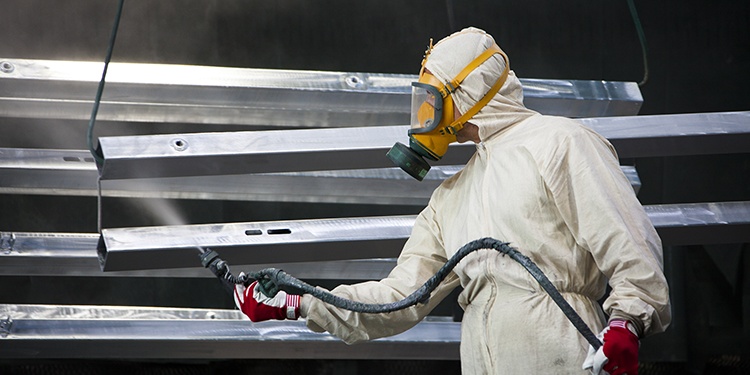
Steel fabrication produces components and structures that are often exposed to demanding environments. Without suitable protection, steel can be vulnerable to corrosion, moisture, abrasion, chemicals and general environmental exposure.
New Guard Coatings provides industrial coating solutions for fabricated and structural steel across the UK, including primers, anti-corrosion coatings and durable topcoats designed for different steel coating applications.
Selecting the right coating system is important. The substrate, level of exposure, surface preparation, required durability and intended service environment should all be considered before coating.
Protective Coatings for Fabricated Steel
Fabricated steel can be used across manufacturing, construction, engineering, infrastructure, agriculture and other industrial environments.
Protective coating systems can help protect fabricated steel from environmental exposure and corrosion while providing a durable finish suitable for the intended application.
Common applications include:
-
Structural steel
-
Fabricated steelwork
-
Steel frames
-
Machinery components
-
Industrial structures
-
Steel equipment
-
Fabricated metal components
-
Agricultural structures
-
Engineering components
-
Commercial and industrial buildings
The appropriate coating system will depend on the steel substrate, operating environment and performance requirements.
Why Does Steel Require Corrosion Protection?
Steel can corrode when exposed to moisture and oxygen. In more demanding environments, additional exposure to chemicals, salts, condensation, abrasion and changing temperatures can increase the risk of deterioration.
Corrosion can affect the appearance and condition of fabricated steel and may increase maintenance requirements over time.
A suitable protective coating system creates a barrier between the steel substrate and its surrounding environment.
The level of protection required will depend on factors such as:
-
Environmental exposure
-
Moisture
-
Humidity
-
Chemical exposure
-
Outdoor weathering
-
Mechanical wear
-
Required service life
-
Maintenance requirements
For fabricated steel, corrosion protection should therefore be considered as part of the overall coating specification rather than simply as a final finishing stage.
Explore Anti-Corrosion Coatings →
Steel Primers & Anti-Corrosion Primers
Primers are an important component of many protective coating systems for steel.
A suitable primer can provide a foundation for subsequent coats while helping establish the required adhesion and protection for the specified system.
Depending on the application, steel primers may be selected for properties including:
-
Corrosion protection
-
Adhesion to prepared steel
-
Compatibility with subsequent coats
-
Durability
-
Suitable recoating characteristics
The correct primer should always be selected according to the substrate, preparation standard, environmental conditions and manufacturer's recommendations.
A primer is not necessarily interchangeable between different coating systems. The compatibility of the complete system should be considered before application.
Industrial Topcoats for Steel
The topcoat provides the finished surface of the coating system and can contribute to the overall durability and appearance of the steelwork.
Industrial topcoats may be selected according to requirements such as:
-
Weather resistance
-
Colour and finish
-
Durability
-
Chemical resistance
-
Abrasion resistance
-
Environmental exposure
-
Compatibility with the primer
For external fabricated steel, the coating system should be selected according to the expected environmental exposure and required level of protection.
For internal steelwork, the requirements may differ depending on the conditions within the building or facility.
Explore Industrial Metal Coatings →
Surface Preparation Before Coating Steel
Surface preparation is one of the most important stages of steel coating.
Contamination, rust, mill scale, loose material and existing failing coatings can interfere with adhesion and contribute to premature coating failure.
Before coating, the steel should be assessed for:
-
Rust and corrosion
-
Mill scale
-
Oil and grease
-
Dirt and dust
-
Moisture
-
Existing coatings
-
Loose or poorly adhered material
-
Surface defects
Depending on the substrate and coating specification, preparation may involve mechanical cleaning, power-tool preparation or abrasive blasting.
The required preparation standard should be determined according to the coating system being specified.
Once preparation is complete, the surface should be suitably clean and free from preparation residue before coating begins.
Read our Surface Preparation Guide →
Coating Systems for Structural Steel
Structural steel will often require a coating system consisting of multiple layers rather than a single product.
A typical protective system may include:
Steel Surface → Primer → Intermediate Coat → Topcoat
The exact system depends on the environment, substrate, preparation standard and required performance.
A complete coating system should be considered as a whole. The primer and subsequent coats need to be compatible and suitable for the intended application.
For example, a steel structure exposed to outdoor weathering may have significantly different coating requirements from steelwork used inside a controlled industrial environment.
When specifying a coating system, consider:
-
Corrosivity of the environment
-
Expected exposure
-
Surface preparation
-
Primer selection
-
Intermediate coating requirements
-
Topcoat selection
-
Required durability
-
Maintenance requirements
Choosing a Steel Coating
There is no single steel coating suitable for every fabrication project.
Before selecting a product or coating system, consider the following.
1. What is the steel being used for?
Structural steel, fabricated components, machinery and architectural steelwork can have different requirements.
2. Where will the steel be located?
Consider whether the steel is:
-
Indoors
-
Outdoors
-
In a dry environment
-
Exposed to moisture
-
Exposed to chemicals
-
Near the coast
-
Subject to heavy industrial conditions
3. What level of protection is required?
The expected service environment and required durability should influence the coating system selected.
4. How will the steel be prepared?
The existing condition of the steel and achievable preparation standard should be considered before selecting the coating system.
5. What finish is required?
Colour, gloss level and appearance may also influence the choice of topcoat.
6. What are the manufacturer's requirements?
Always check the relevant technical data before application, including preparation, mixing, application, drying and recoating requirements.
ISO 12944 & Corrosion Protection
ISO 12944 is an important reference when considering corrosion protection for painted steel structures.
The standard provides a framework for selecting protective paint systems according to the corrosivity of the environment and the durability required from the coating system.
When specifying protective coatings for fabricated or structural steel, the environmental conditions should therefore be considered alongside the intended coating system.
Factors such as exposure to moisture, atmospheric conditions and industrial environments can influence the level of corrosion protection required.
Where ISO 12944 compliance or a specific corrosion category is being specified for a project, the coating system should be selected and documented accordingly.
Explore ISO 12944 Protective Coatings →
Specific certification, compliance and coating-system claims should always be confirmed against the relevant manufacturer's technical documentation before being used in a project specification.
Application & Drying
Correct application is essential to achieving the intended performance of a protective coating system.
Before application, check the product's technical documentation for requirements relating to:
-
Surface preparation
-
Mixing
-
Application method
-
Recommended film thickness
-
Overcoating intervals
-
Temperature
-
Humidity
-
Surface temperature
-
Drying
-
Curing
Industrial coatings may be applied using methods such as brush, roller or spray, depending on the product and application.
Environmental conditions can affect drying and curing. Applying a coating outside the manufacturer's specified conditions may affect the finished coating.
The required number of coats and film thickness will also depend on the specified system.
Drying vs Curing
A coating being dry to touch does not necessarily mean that it has reached its final cured condition.
Drying and curing times vary according to the product, film thickness and environmental conditions.
Always refer to the relevant technical data sheet for specific drying, curing and recoating requirements.
Common Steel Coating Problems
Peeling or flaking paint
This can be associated with poor surface preparation, contamination, unsuitable application or incompatibility between coating layers.
Rust appearing beneath the coating
Corrosion may occur where the substrate has not been adequately prepared or where moisture has reached the steel.
Poor adhesion
Contamination, unsuitable preparation or an incompatible coating system can affect adhesion.
Uneven finish
Incorrect application, unsuitable environmental conditions or inconsistent film thickness can affect the appearance of the finished coating.
Premature coating failure
Coating failure can have multiple causes. Surface preparation, coating selection, application and environmental conditions should all be assessed.
Frequently Asked Questions
What is the best coating for fabricated steel?
There is no single coating that is best for every fabricated steel application. The appropriate system depends on the environment, substrate, preparation, required durability and performance requirements.
What primer should I use on steel?
The primer should be selected according to the steel substrate, surface preparation, environmental exposure and specified coating system. Always check compatibility with the intended topcoat.
Does steel need to be primed before painting?
Many protective steel coating systems use a primer as part of a multi-coat system. Whether a primer is required depends on the specified product and coating system.
How should steel be prepared before painting?
Preparation depends on the condition of the steel and the specified coating system. It can include cleaning, removal of corrosion and mechanical or abrasive preparation.
Can you paint over existing paint on steel?
Existing paint may be retained where it is sound, suitably prepared and compatible with the new coating system. Loose, failing or incompatible coatings may require removal.
What is ISO 12944?
ISO 12944 provides guidance for corrosion protection of steel structures using protective paint systems, including consideration of environmental corrosivity and coating durability.
How many coats are required on fabricated steel?
The number of coats depends on the specified coating system, environmental conditions and required performance. Always follow the relevant technical data sheet.
How long does industrial paint take to dry?
Drying and curing times vary between products and depend on factors such as temperature, humidity, film thickness and ventilation. Refer to the manufacturer's technical data for the specific product.
Can New Guard Coatings help with steel coating selection?
New Guard Coatings provides product information and technical guidance for industrial coating applications. The correct system should be selected based on the substrate, environment and manufacturer's technical recommendations.
Protect Your Fabricated Steel
The performance of a protective coating system begins before the first coat is applied.
Correct surface preparation, appropriate primer selection, compatible topcoats and consideration of the service environment are all important when protecting fabricated and structural steel.
New Guard Coatings supplies industrial coating solutions for steel fabrication and other industrial applications across the UK.
Explore Anti-Corrosion Coatings →
Explore ISO 12944 Coating Solutions →
When you have identified the appropriate product, use Buy Now to purchase through Industrial Coatings Ltd.