





Industrial Coatings for Street Furniture | New Guard Coatings
Street furniture is exposed to constant weathering, public use and environmental conditions. Street lighting columns, 5G phone masts, bollards, railings, signs and other outdoor structures can experience rain, moisture, UV exposure, pollution, abrasion and corrosion throughout their service life.

The right industrial coating system can help protect street furniture and associated metal structures from corrosion while providing a durable, attractive finish.
New Guard Coatings supplies protective coating solutions for street furniture and outdoor metal applications across the UK, with systems suitable for a range of steel and metal substrates.
Protective Coatings for Street Furniture
Street furniture encompasses a wide range of outdoor structures and equipment.
Industrial coating applications can include:
- Street lighting columns
- 5G phone masts
- Bollards
- Railings
- Fencing
- Signposts
- Street signs
- Benches
- Shelters
- Outdoor cabinets
- Utility structures
- Metal barriers
- Fabricated steelwork
Different applications will have different coating requirements, depending on the substrate, environmental exposure and expected service life.
For exposed metal structures, the coating system should be selected with both corrosion protection and long-term weather resistance in mind.
Why Street Furniture Requires Protective Coatings

Street furniture is generally installed outdoors and can remain exposed to the elements for many years.
Rain, moisture and atmospheric pollution can contribute to corrosion, while sunlight and UV exposure can affect the appearance of coatings over time.
A suitable anti-corrosion coating can help provide a protective barrier between the metal substrate and its surrounding environment.
Protective coatings can help:
- Reduce corrosion
- Protect exposed steel
- Improve weather resistance
- Maintain appearance
- Extend maintenance cycles
- Provide a durable finish
- Refresh ageing street furniture
The exact level of protection required will depend on the application and environment.
Coatings for Street Lighting Columns
Street lighting columns are a particularly important street furniture application.
Steel lighting columns are exposed to rain, moisture, UV radiation and atmospheric pollutants throughout their service life.
Where the existing protective coating begins to deteriorate, corrosion can develop on exposed areas of steel.
A suitable steel coating system can be used as part of refurbishment and maintenance programmes for compatible lighting columns.
Applications can include:
- Steel lighting columns
- Lamp posts
- Lighting supports
- Column bases
- Associated steel components
Before recoating, the condition of the existing finish should be assessed and the substrate appropriately prepared.
Our dedicated industrial coatings for street lighting columns page can target this specific application in greater depth.
Coatings for 5G Phone Masts
The expansion of telecommunications infrastructure has created increasing demand for outdoor steel structures such as 5G phone masts.
These structures can be exposed to:
- Rain
- Moisture
- UV radiation
- Wind
- Atmospheric pollution
- Coastal conditions
- Corrosion
Protective coatings can help maintain the condition of suitable steel mast structures and associated components.
Where a mast is located in a coastal or particularly corrosive environment, the coating specification should take the environmental exposure into account.
Our industrial coatings for 5G phone masts page provides a more targeted solution for telecommunications infrastructure.
Corrosion Protection for Street Furniture
Corrosion is one of the main considerations when protecting outdoor steel street furniture.
Where protective coatings deteriorate, moisture can reach the underlying metal and contribute to corrosion.
The level of corrosion protection required depends on factors including:
- Substrate
- Environmental exposure
- Coastal location
- Existing corrosion
- Surface preparation
- Required durability
- Existing coating system
For outdoor steelwork, selecting an appropriate anti-corrosion primer and compatible topcoat can help form a complete protective system.
Weather Resistant Street Furniture Coatings
Street furniture is exposed to changing weather conditions throughout the year.
Rain, temperature fluctuations, sunlight and moisture can all contribute to coating deterioration.
When selecting a coating for outdoor metal structures, consider:
- Weather resistance
- UV exposure
- Moisture resistance
- Corrosion protection
- Colour retention
- Durability
- Expected maintenance requirements
The specific performance of a coating should always be confirmed against the manufacturer's technical documentation.
Surface Preparation for Street Furniture
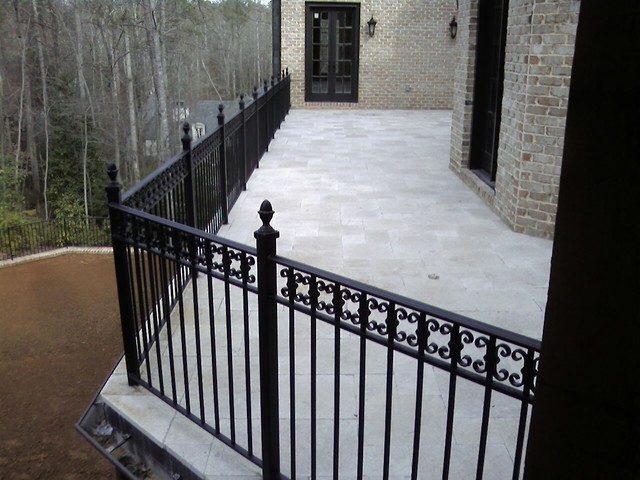
Correct surface preparation is essential before coating outdoor metal structures.
The substrate should be inspected for:
- Rust
- Corrosion
- Existing coatings
- Loose or flaking paint
- Dirt
- Dust
- Oil and grease
- Moisture
- Other contamination
Depending on the condition of the surface and selected coating system, preparation may include:
- Cleaning
- Degreasing
- Mechanical preparation
- Power-tool cleaning
- Abrasive blasting
Any loose or poorly adhered coating should be addressed before the new system is applied.
For street furniture exposed to road pollution, dirt and other contaminants, thorough cleaning is particularly important.
Our surface preparation guide provides further information on preparing metal substrates before coating.
Primers for Street Furniture
Primers can provide an important foundation for protective coating systems on steel street furniture.
The correct primer should be selected according to:
- Substrate
- Existing coating
- Surface preparation
- Environmental exposure
- Corrosivity
- Intended topcoat
- Required durability
A compatible primer and topcoat should be treated as part of the same coating system.
For steel exposed to outdoor environments, an appropriate industrial primer can contribute to the overall corrosion protection of the system.
Durable Topcoats for Outdoor Metal
The topcoat provides the final protective and decorative layer.
For street furniture, the finish may be particularly important because these structures are visible to the public.
Depending on the application, a topcoat may need to provide resistance to:
- Weathering
- UV exposure
- Moisture
- Corrosion
- Abrasion
- General outdoor wear
Colour can also be an important consideration, particularly where street furniture needs to match existing infrastructure or local authority specifications.
New Guard Coatings can provide access to industrial coating systems in a wide range of colours and finishes, subject to the individual product specification.
Coating Galvanised Street Furniture
Galvanised steel is commonly used for outdoor structures because of its corrosion resistance.
However, when galvanised surfaces need to be painted or recoated, the surface requires appropriate preparation and a coating system compatible with the substrate.
Before coating galvanised steel, consider:
- Surface condition
- Existing treatment
- Contamination
- Adhesion requirements
- Suitable primer
- Compatible topcoat
Not every coating is suitable for direct application to galvanised surfaces.
The manufacturer's technical data should always be checked before selecting a system.
Coating Existing Street Furniture
Many street furniture projects involve refurbishment rather than coating newly fabricated structures.
Existing coatings should be assessed before work begins.
Look for:
- Peeling
- Flaking
- Rust
- Blistering
- Cracking
- Poor adhesion
- Exposed metal
- Contamination
If the existing coating is sound and compatible, it may be possible to prepare and overcoat it.
Where the existing coating is failing or incompatible, more extensive preparation may be required.
A small test area can also be useful when coating over an existing finish where compatibility is uncertain.
ISO 12944 & Street Furniture
ISO 12944 provides a framework for selecting protective paint systems for steel structures based on environmental corrosivity and required durability.
This can be relevant when specifying protective coatings for outdoor steel street furniture.
The actual environment should be assessed before selecting a coating system.
Consider whether the structure is:
- Urban
- Industrial
- Coastal
- Highly exposed
- Sheltered
- Subject to salt spray
Where a project specifies a particular ISO 12944 corrosion category, the proposed coating system should be checked against the relevant technical documentation.
Street Furniture Coating Systems
A protective street furniture coating system may consist of several layers.
A typical system could involve:
Surface Preparation → Primer → Intermediate Coat → Topcoat
The exact system will depend on the substrate, existing coating, environmental conditions and required durability.
All coating layers should be compatible and applied according to the manufacturer's technical recommendations.
Application & Drying
Street furniture coatings should be applied in accordance with the product's technical data.
Before application, check:
- Surface preparation
- Mixing instructions
- Application method
- Film thickness
- Temperature
- Humidity
- Surface temperature
- Recoat interval
- Drying time
- Curing requirements
Depending on the product, application may be carried out by brush, roller or spray.
Outdoor application requires particular attention to weather conditions. Rain, condensation, excessive humidity and unsuitable temperatures can affect coating performance.
Maintenance of Coated Street Furniture
Regular inspection can help identify coating deterioration before significant corrosion develops.
Inspect street furniture for:
- Rust
- Peeling
- Flaking
- Blistering
- Cracking
- Mechanical damage
- Exposed metal
- Fading
- General coating deterioration
Particular attention should be given to areas around bases, joints, fixings and other locations where moisture or mechanical damage may occur.
Where deterioration is identified, the cause should be established before specifying a repair system.
Common Street Furniture Coating Problems
Rust appearing through the coating
This can indicate corrosion beneath the existing coating or inadequate preparation before application.
Peeling or flaking
Poor surface preparation, contamination or coating incompatibility can affect adhesion.
Blistering
Moisture and unsuitable application conditions can contribute to blistering.
Fading
Long-term UV exposure can affect the appearance of some coating systems.
Mechanical damage
Impact, vandalism, maintenance activities and general use can damage the protective coating.
Understanding the reason for coating deterioration is important before carrying out repairs.
Choosing the Right Street Furniture Coating
There is no single coating suitable for every street furniture application.
Before selecting a system, consider:
Substrate
Is the structure mild steel, galvanised steel, another metal or an existing painted surface?
Environmental Exposure
Is it located in an urban, industrial, coastal or marine environment?
Corrosion Risk
What level of corrosion protection is required?
Existing Coating
Is the current coating sound, failing or unknown?
Surface Preparation
What level of preparation can be achieved?
Appearance
Does the structure need to match an existing colour or finish?
Durability
What maintenance cycle is expected?
Application
Will the coating be applied by brush, roller or spray?
High-Performance Street Furniture Coatings
Street furniture needs to remain functional and visually presentable while being exposed to the elements year after year.
From street lighting columns and 5G phone masts to bollards, railings and fabricated steelwork, selecting the correct coating system can help protect outdoor structures against corrosion and weathering.
New Guard Coatings provides industrial coating solutions for street furniture and other outdoor metal applications across the UK.