





Speak to a Coatings Expert Today
Need help specifying a coating system or placing an order? Get a free, no-obligation recommendation for your project.
Industrial Coatings for Wind Energy | New Guard Coatings
Wind energy infrastructure operates in some of the most demanding environments for industrial coatings. Wind turbines and associated steel structures can face constant exposure to rain, moisture, UV radiation, temperature changes, high winds and, particularly in offshore applications, salt-laden environments.
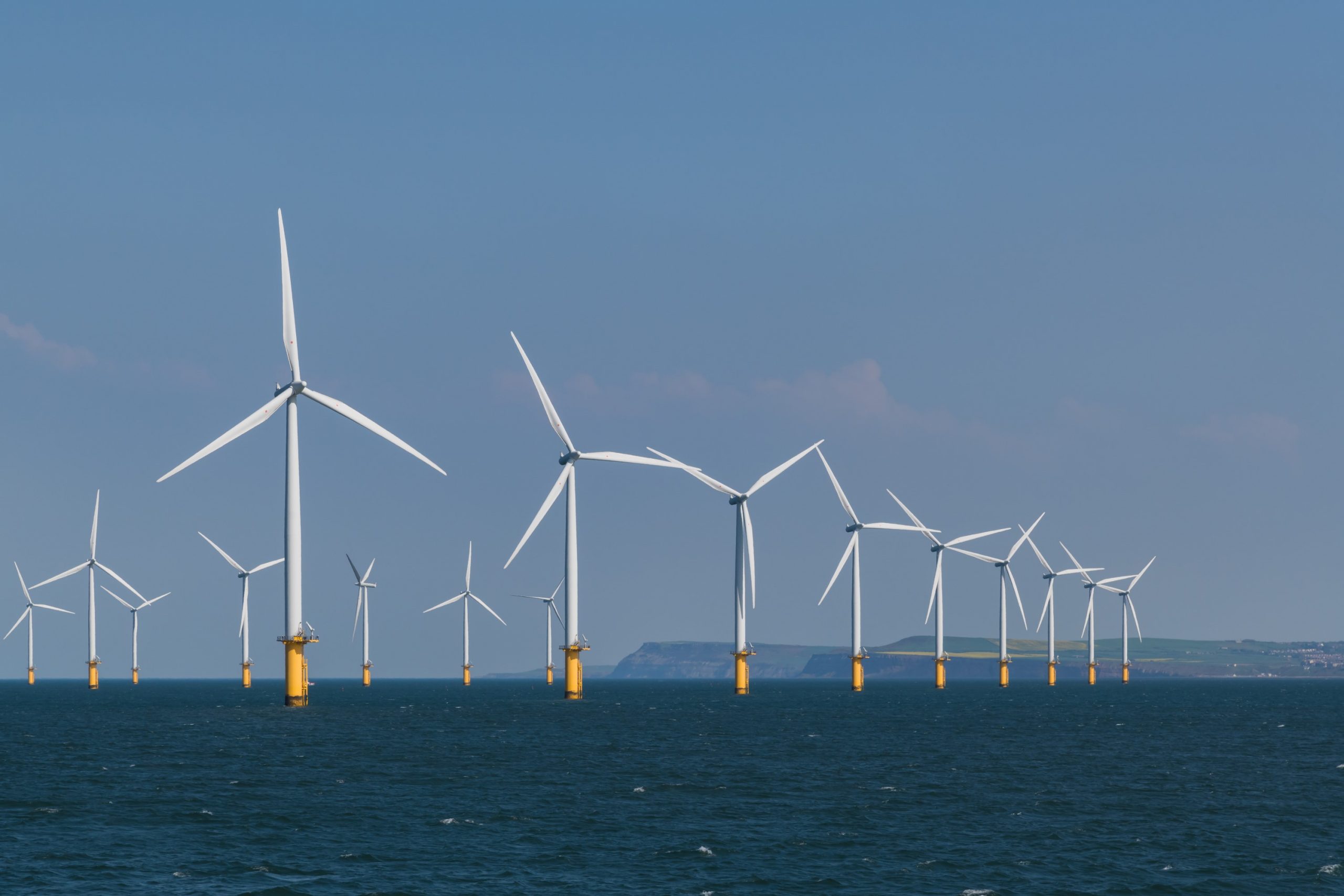
The right industrial coating system can help protect suitable steel and metal components from corrosion and environmental deterioration while supporting long-term maintenance requirements.
New Guard Coatings provides high-performance coating solutions for wind energy applications across the UK, with systems suitable for a range of industrial and fabricated steel applications.
Protective Coatings for Wind Energy
Wind energy projects use a wide range of steel, metal and industrial components that may require long-term protection.
Potential applications include:
- Wind turbine components
- Structural steel
- Towers and support structures
- Fabricated steelwork
- Electrical equipment
- Access platforms
- Handrails and walkways
- Machinery and equipment
- Ancillary infrastructure
- Offshore wind structures
The coating system required will depend on the component, substrate, environment and level of exposure.
Onshore and offshore wind applications can have significantly different coating requirements, particularly where structures are exposed to salt spray, high humidity or marine conditions.
Why Wind Energy Infrastructure Needs Corrosion Protection
Corrosion is one of the primary considerations when protecting exposed steel in wind energy environments.
Wind turbines and associated infrastructure can remain exposed to the elements for many years. Where protective coatings deteriorate, moisture can reach the underlying substrate and contribute to corrosion.
A suitable anti-corrosion coating can provide a protective barrier between the prepared substrate and the surrounding environment.
Factors affecting corrosion protection requirements include:
- Coastal exposure
- Salt spray
- Humidity
- Rain and moisture
- UV exposure
- Temperature changes
- Industrial pollution
- Mechanical wear
- Required service life
For demanding wind energy applications, the entire coating system should be considered rather than selecting a single product in isolation.
Onshore Wind Turbine Coatings
Onshore wind turbines and their associated infrastructure are exposed to weather conditions throughout their service life.
Steel towers, platforms, access structures and other components can require protection from:
- Rain
- Moisture
- UV radiation
- Temperature fluctuations
- Dirt and contamination
- General atmospheric exposure
The appropriate steel coating system will depend on the component and environmental conditions.
Where existing infrastructure requires refurbishment, the condition of the current coating should be assessed before determining the appropriate preparation and recoating system.
Offshore Wind Coatings

Offshore wind farms present particularly demanding conditions for protective coatings.
Marine exposure can introduce:
- Salt spray
- High humidity
- Direct moisture exposure
- Splash exposure
- Corrosion
- Strong winds
- Temperature changes
- Mechanical wear
For these applications, marine protective coatings and high-performance corrosion protection systems may be required depending on the specific exposure.
The distinction between atmospheric, splash and immersion exposure is particularly important when specifying a coating system.
Products should only be specified for offshore or immersion applications where the manufacturer's technical documentation confirms suitability.
Wind Turbine Steel Coatings
Steel is used extensively throughout wind energy infrastructure.
Potential coating applications include:
- Turbine towers
- Steel supports
- Platforms
- Walkways
- Ladders
- Handrails
- Access structures
- Fabricated components
- Ancillary steelwork
The coating system should be selected according to the substrate, environmental exposure and required durability.
For fabricated steel components, appropriate industrial primers can provide the foundation for a multi-coat protective system.
Corrosion Protection for Wind Turbine Towers
Wind turbine towers are large steel structures exposed to demanding environmental conditions.
The protective coating system needs to provide appropriate resistance to the environment while maintaining adhesion and durability over the intended service period.
Where towers are located in coastal or offshore environments, the corrosivity of the surrounding atmosphere should be considered during specification.
A typical protective system may involve:
Surface Preparation → Anti-Corrosion Primer → Intermediate Coat → Protective Topcoat
The exact system will depend on the project specification and product requirements.
Surface Preparation for Wind Energy Coatings
Correct surface preparation is fundamental to the performance of any protective coating system.
Before coating wind energy steelwork, the substrate should be assessed for:
- Rust
- Corrosion
- Mill scale
- Oil and grease
- Dirt
- Dust
- Salt contamination
- Existing coatings
- Loose material
- Moisture
Depending on the substrate and specified coating system, preparation may involve cleaning, degreasing, mechanical preparation or abrasive blasting.
For marine and offshore environments, contamination such as salts can be particularly important.
A new coating should not simply be applied over loose corrosion, failing paint or contaminated surfaces.
Our surface preparation guide provides further information on preparing industrial substrates before coating.
Primers for Wind Energy Applications
Primers can play an important role in protecting steel and other suitable substrates used within wind energy infrastructure.
The correct primer depends on factors including:
- Substrate
- Preparation standard
- Environmental exposure
- Corrosivity
- Intended topcoat
- Required durability
- Application conditions
For demanding steel applications, the primer should be considered as part of the complete protective coating system.
Primer and topcoat compatibility is essential to achieving the intended performance.
High-Performance Topcoats for Wind Energy
The topcoat provides the final protective layer within many industrial coating systems.
Depending on the application, a wind energy topcoat may need to provide resistance to:
- Weathering
- UV exposure
- Moisture
- Corrosion
- Abrasion
- Mechanical damage
- General industrial wear
The appearance of the coating may also be important, particularly on visible turbine structures and associated infrastructure.
Colour, gloss and finish can be specified according to the requirements of the project and available coating system.
ISO 12944 & Wind Energy Coatings
ISO 12944 provides a framework for selecting protective paint systems for steel structures according to environmental corrosivity and required durability.
This is particularly relevant when specifying coatings for wind energy infrastructure exposed to demanding atmospheric conditions.
The actual environment should be assessed carefully before selecting a coating system.
Considerations can include:
- Onshore or offshore location
- Coastal exposure
- Humidity
- Salt spray
- Atmospheric conditions
- Required durability
- Maintenance expectations
Where an ISO 12944 coating system is required by a project specification, the proposed products and complete system should be checked against the manufacturer's technical documentation.
Coatings for Wind Turbine Machinery & Equipment
Wind energy facilities contain more than just structural steel.
Equipment and machinery can also require protective coatings where exposed to moisture, corrosion, abrasion or general industrial conditions.
Potential applications include:
- Machinery
- Metal equipment
- Electrical equipment
- Generators
- Fabricated components
- Equipment frames
- Access equipment
Where machinery is exposed to demanding conditions, the coating should be selected according to both the substrate and operating environment.
Our industrial machinery coatings can provide further information on coating equipment and machinery in demanding industrial applications.
Chemical & Abrasion Resistance
Wind energy equipment may encounter oils, lubricants, cleaning products and other industrial contaminants.
Where chemical exposure is expected, the coating system should be selected according to the specific substances involved.
Similarly, components exposed to repeated mechanical contact or abrasion may require a coating with appropriate wear resistance.
Consider:
- Chemical type
- Concentration
- Exposure frequency
- Contact duration
- Temperature
- Mechanical impact
- Abrasion
Chemical and abrasion resistance varies between coating systems, so the relevant manufacturer's technical information should always be checked.
Choosing the Right Wind Energy Coating
There is no single coating suitable for every wind energy application.
Before selecting a system, consider:
1. Where is the asset located?
Is it onshore, offshore, coastal or within a sheltered environment?
2. What is the substrate?
Determine whether the surface is structural steel, fabricated steel, another metal or another suitable substrate.
3. What environmental exposure will it experience?
Consider moisture, salt spray, UV, temperature and general weathering.
4. What level of corrosion protection is required?
The environmental corrosivity and intended durability should influence the coating specification.
5. Will the coating experience abrasion or impact?
Access structures and equipment may experience mechanical wear during operation and maintenance.
6. What preparation can be achieved?
The existing condition of the substrate will determine the preparation required before coating.
7. What application conditions are available?
Temperature, humidity, surface temperature, ventilation and access can all affect application.
Wind Energy Coating Systems
A complete coating system should be specified according to the requirements of the individual application.
A typical system may consist of:
Surface Preparation → Primer → Intermediate Coat → Topcoat
However, the exact number of coats, products and film thicknesses will vary according to the project specification.
The complete system should be assessed for:
- Corrosion protection
- Environmental exposure
- Compatibility
- Required durability
- Film thickness
- Application conditions
- Drying and curing
- Maintenance requirements
Always follow the relevant product technical data sheet and project specification.
Application & Drying
Wind energy coatings should be applied according to the manufacturer's application requirements.
Before application, check:
- Surface preparation
- Mixing instructions
- Application method
- Film thickness
- Temperature
- Humidity
- Surface temperature
- Recoat intervals
- Drying times
- Curing requirements
Depending on the product, application may be carried out using brush, roller or spray.
Environmental conditions are particularly important for exposed wind energy structures. Coatings should only be applied when the substrate and surrounding conditions meet the specified requirements.
Maintaining Wind Energy Coatings
Protective coatings should form part of an ongoing inspection and maintenance programme.
Regular inspections can identify:
- Rust
- Peeling
- Flaking
- Blistering
- Cracking
- Mechanical damage
- Exposed substrate
- Chemical deterioration
- General coating failure
Where coating damage is identified, the cause should be established before selecting the appropriate repair system.
Early maintenance can help prevent localised coating deterioration from developing into more extensive corrosion.
Common Wind Energy Coating Problems
Corrosion beneath the coating
This can result from inadequate preparation, remaining contamination or moisture reaching the substrate.
Peeling or flaking
Poor surface preparation, contamination or incompatible coating systems can contribute to adhesion failure.
Blistering
Moisture, contamination and unsuitable application conditions can contribute to blistering.
Mechanical damage
Maintenance activities, impact and abrasion can damage protective coatings and expose the underlying steel.
Premature coating failure
A coating system that is not appropriate for the environment may deteriorate earlier than expected.
Understanding why a coating has failed is important before specifying repairs or recoating.
Frequently Asked Questions
What coatings are used on wind turbines?
A range of protective coating systems can be used depending on the turbine component, substrate and environmental exposure. These can include anti-corrosion primers, intermediate coatings and protective topcoats.
What is the best coating for wind turbine towers?
The appropriate system depends on the tower's environment, substrate, corrosion exposure, required durability and project specification.
Are wind turbine coatings different for offshore applications?
Offshore turbines can experience significantly more demanding marine exposure, including salt spray and high humidity. The coating system therefore needs to be suitable for the specific offshore environment.
How do you protect wind turbine steel from corrosion?
A suitable protective coating system, combined with appropriate surface preparation, can help protect steel from environmental exposure and corrosion.
Is ISO 12944 relevant to wind energy coatings?
ISO 12944 can be relevant when specifying protective paint systems for steel structures. The applicable environmental corrosivity and durability requirements should be established for the specific project.
How should wind turbine steel be prepared before painting?
Preparation depends on the substrate and coating specification and may involve cleaning, degreasing, mechanical preparation or abrasive blasting.
Can existing wind turbine coatings be recoated?
Potentially, provided the existing coating is suitably sound, prepared and compatible with the proposed system. Failing or poorly adhered coatings may require removal.
How long do wind turbine coatings last?
There is no universal service life. Performance depends on the coating system, environmental exposure, surface preparation, application quality, maintenance and operating conditions.
High-Performance Coatings for Wind Energy
Wind energy infrastructure requires protective coating systems capable of performing in demanding environments.
From onshore turbine towers and structural steel to offshore infrastructure and associated equipment, selecting the correct industrial coating, preparing the substrate properly and applying a compatible coating system are essential considerations.
New Guard Coatings provides high-performance industrial coating solutions for wind energy and other demanding applications across the UK.


